


Yellowstone's gorgeous geysers are a spouting wonder of the world

Updated: Jul 21

GLITZY, GLORIOUS GEYSERS. SO GO GET YOUR CAMERA READY AND WATCH THEM ERUPT!

Photographer and writer Rick Cosgriffe makes his annual fall pilgrimage, as behind him clouds, geysers and waterfalls merge in steam and spray.
STORY By CHRISTENE MEYERS
PHOTOS By BRUCE KELLER
"The Carpe Diem Kids"
Editor's Note: This piece was reviewed and updated July 20, 2026
TRAPPER JOHN Colter must have thought he was hallucinating. Or that he'd died and gone to you-know-where.
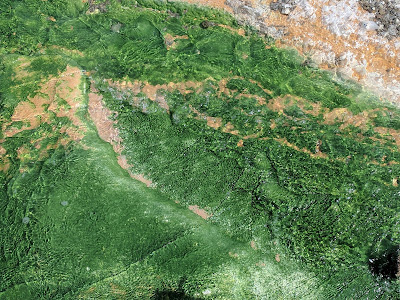
When Colter happened on the Yellowstone's gorgeous geysers, hotpots and warm bubbling springs in 1808, he may have doubted his eyes. Or thought the end of the world was near. (I always think of the three Weird Sisters in the opening of "Macbeth.")
Even now, after nearly 100 trips to Yellowstone National Park, geysers, mud pots, molten pools astonish with their vivid colors, scents and shapes. So check in to the vintage, well located and historic Stage Coach Inn in West Yellowstone -- and begin your nearby geyser hopping adventure.

NOTHING LIKE a Yellowstone geyser to make you feel small, insignificant and aware of your "lowly cog" status in the the universe. Yellowstone, mostly in Wyoming but claimed by Montanans as ours, is the world's best place to see geysers. Oh, sure, they exist in Chile, Iceland and New Zealand, but not on the spectacular scale we see in the Yellowstone geyser bonanza.
SO WHAT is a Yellowstone geysers? Simply put: a hot spring in which water intermittently boils, sending a tall column of water and steam into the air.

Yellowstone's gorgeous geysers:
Trapper Joe Meek stumbled upon what is now known as the Norris Geyser basin area in 1829. His stories of fire, brimstone and boiling pots were met with unbelief. In the 1830s, mountain man Jim Bridger began exploring the Yellowstone region. Few believed his reports of petrified birds and trees and waterfalls "spouting upwards."

Take a turn-off from the beaten path, to discover beautiful pools, geysers.

A RAFT OF explorers followed, traversing the strange and wonderful geyser basins, pondering the park's glories. After Colter, naturalists developed a way to log the various thermal features and the term “geyser,” came into being. The term originated in Iceland in the late 18th century. It comes from the word, geysir, the name of a particular spring in Iceland, and is related to geysa meaning "to gush."
Some of Yellowstone's geysers erupt every 10 minutes or so. When I was a child, Old Faithful was just that, sending gorgeous plumes as high as a hotel, every hour -- give or take a minute.
Today she erupts every 35 to 120 minutes, seldom going over over 180 feet. She is still the park's most famous spouter, having erupted more than a million times since Yellowstone debuted as the world's first national park in 1872.
KELLER'S FAVORITE


Another place to see geysers and mud pots is Artists' Paintpots, gurgling pastel-colored mud and springs, bubbling, dancing and hissing under a blanket of steam.
Besides Old Faithful, Castle Geyser and Riverside Geyser are other popular ones to show off the unique geothermal features of Yellowstone's steaming vents, eruptions and hot springs. The "big four" features are geysers, hot springs, fumaroles and mudpots.
Yellowstone claims 500 geysers, half of the world's total number, located in nine unique and varied geyser basins within the park. Steamboat in the Norris Basin is the world's tallest
Book your geyser-hopping hotel at: Stage Coach Inn : yellowstoneinn.com

COMING UP: Traveling with family and pets can be a delight if you plan correctly. Be sure to have plenty of dry, warm clothes if it's a winter trip, and make certain the young have enough distractions -- natural and otherwise -- to keep them engaged. Here, part of our family enjoys a night in a rustic cabin at Bozeman Hot Springs, enroute to a weekend in Yellowstone National Park. Even the Yorkies are snug this chilly autumn night. .
Remember to explore, learn and live and catch us weekly for a fresh look at nature, family, critters, the arts and travel. Remember to explore, learn and live, and if this destination sparked your wanderlust, there’s plenty more waiting for you explore -- for travel stories and inspiration check out WhereIsCookie.com


I remember seeing Old Faithful as a kid in the 1960s.....she was "faithful" then, to the minute usually.... wonder if climate change has altered her time clock??? Nice piece.