


Museum of the Rockies in Bozeman: Dinosaurs, Montana History and a Journey Through Time

Updated: Sep 14

STORY By CHRISTENE MEYERS
PHOTOS By BRUCE KELLER
"The Carpe Diem Kids"
Editor's Note: This story was updated September of 2026. It was a popular changing exhibit at the museum.
The people of Oplontis, near Pompeii, lived well in the shadow of Mount Vesuvius, until 79 AD, when they were buried by tons of falling ash. We viewed art and artifacts of leisure and luxury detailing the life of Rome's privileged citizens.
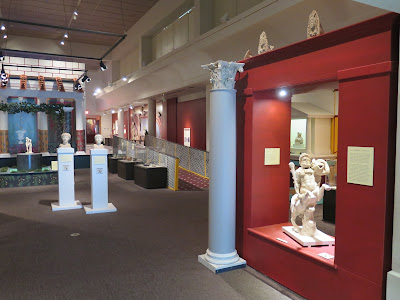
One of the most opulent of Rome's luxury villas was Oplontis, the summer home of Emperor Nero's second wife. Parts of it are on view through Dec. 31,

Museum of the Rockies has an intriguing related show in the Planetarium, exploring possibilities of the lost Atlantis.
A WEALTHY VILLA UNTIL VESUVIUS: LUSH LIFE OF ROME'S PRIVILEGED BEFORE ERUPTION OF 2,000 YEARS AGO
LIFE WAS GOOD for the people of Oplontis. Running water, prolific crops, lovely architecture and artwork, the comforts of civilized life. Even the servants seemed content.
That is, until Vesuvius erupted, spewing tons of molten lava, burying the wealthy little village beneath 50 feet of ash.
When ruins of the 79AD disaster were discovered recently during preparation for building of a gymnasium, scholars determined that the public would benefit from an exhibit sharing the remarkably preserved discovery.
Dining salons which seated 100 people, private chambers with spectacular frescos, marble columns rising from elaborate mosaic floor were uncovered.

Museum of the Rockiesin Bozeman: much more than history
The Museum's Living History Farm offers a unique opportunity to experience life as it existed decades ago in rural Montana. Volunteers dress in period costumes to discuss gardening, homemaking, cooking and crafts.
THE MUSEUM of the Rockies is one of three fortunate venues to host a remarkable new traveling exhibit, "The Villas of Oplontis." It details the splendid, privileged life of the aristocratic Roman enclave which lived well and happily in a lavish villa -- until Mount Vesuvius' catastrophic eruption.
To warm us up for that, we spent a wonderful afternoon at the museum's other components, starting first at the Living History Farm, where a docent greeted us in a garden of raspberries, squash and lettuce, and invited us into the restored vintage farmhouse.

Beautiful jewels, here bracelets with asp heads, were found clutched in the hands of the long buried dead.
There, another volunteer in period dress crafted potholders from scraps of coats and dresses, explaining how homesteaders cooked and sewed and survived a century or two ago.
WE'D PLANNED our afternoon to take in the Planetarium show, which ties in nicely with the Oplontis exhibit.
It explores the possibilities of the location of the lost Atlantis.
Sitting back in the comfy chairs and gazing to the heavens, we discovered anew why this wonderful place is an internationally respected planetarium.

A creative bison -- made of ropes, tools, car parts, musical instruments and other recycled objects -- is featured in a children's area upstairs. It combines whimsy with creativity and education.
Then a stroll through the homage to the West, and a look at researchers working on artifacts behind a glass screen.
WE WATCHED a short, well crafted "overview" video narrated by Dr. Regina Gee, an expert on frescoes and one of three primary researchers involved in the Oplontis excavation. Based at MSU in Bozeman, Gee was instrumental in getting the exhibit to Montana.
"Leisure and Luxury in the Age of Nero: The Villas of Oplontis near Pompei" is the elaborate handle of this fine show. Many talents helped make it a reality.

Watching the careful process of working on fossils and other finds is part of the fun and learning. These two essential elements are part of any visit to the museum.
MSU STUDENTS assisted in recreating elaborate frescoes which adorned the walls of the luxury homes. Jewelry was discovered, taken hurriedly along with money by citizens as they fled for hoped for safety and rescue in vaults which were not discovered until recent times. The lavish dining rooms and private chambers were destroyed, along with their spectacular mosaic floors and grand marble columns. The people left behind wines, oils, strong boxes of coins and artwork of a sophisticated civilization. The wealthy took their prized objects with them to the vault, hoping for a rescue that never came. The servants were found with their tools of trade, hoping to rebuild a life, should they be found before they perished.
MSU and Dr. Gee deserve kudos for bringing this impressive exhibit from Italy. It remains on view through Dec. 31.
We found it both moving and enlightening to share the life of these sophisticated but doomed citizens.
We ended our day upstairs in less ponderous surroundings. Above the Oplontis exhibit, we watched children romp in the museum's cleverly designed play area with whimsical animals of the forest -- assembled artistically with found household and garage items.

UP NEXT: With all eyes on Rio, we share a recent trip to Brazil. Come with us up Sugar Loaf, to Ipanema Beach, a rock-folk concert and a spectacular spice, fruit and vegetable market. Then while we're enjoying time in Montana and a particularly beautiful summer, we take a trip down Memory Lane to a fabulous restaurant in the shadow of the Beartooths above Red Lodge. Old Piney Dell still delivers a superb meal, at Rock Creek Resort. Remember to explore, learn and live and check us out weekly for fun, fresh travel ideas and pieces on performance, nature, family and more: www.whereiscookie.com


Comments