


Exploring Picasso and Málaga: A Journey Through Art and Culture

Updated: Jul 23


STORY By CHRISTENE MEYERS
PHOTOS By BRUCE KELLER
"The Carpe Diem Kids"
Editor's Note: This piece was reviewed and updated July 24, 2026.

FATHER OF MODERN ART IS MEMORIALIZED IN HIS NATIVE SPANISH CITY
Discover Picasso's Malaga where the legendary artist was born and where two fine museums celebrate his life, creativity, and lasting influence.
ALTHOUGH HE LEFT home town for good after only two decades, Pablo Picasso is proudly claimed as Malaga's native son.
Before he changed the art world forever, he was a young boy growing up in this vibrant Mediterranean city.
Today, visitors can trace his remarkable journey through two outstanding museums, reflecting the influence of his birthplace and its charming streets that inspired his earliest years. Whether you're a lifelong admirer of his work or simply curious about one of history's greatest artists, Málaga offers a remarkable blend of world-class art, Spanish culture, fine cuisine and sunshine that makes every visit a masterpiece.

Exploring Picasso and Málaga: A Journey Through Art and Culture
A visit to the artist's home town reveals much more than the sunny gateway to Costa del Sol of travel brochures. Malaga houses remarkable artwork, historic streets and the vibrant Andalusian culture that shaped one of history's greatest artists.
We spent an enlightening day at a pair of museums which explore the evolution of a genius. Picasso was born into a patrician Malaga family, studied art there then answered his calling and left for Paris.
Our first stop was the Casa Natal Picasso, Picasso's birthplace museum. After a breakfast snack on a bench with the master's bronze, we headed inside. We spent the morning there, before visiting the fine Picasso Museum Malaga.

IN THE birthplace home gallery, or "Natal Museum," we reveled in a fascinating illustrated history of his life with drawings, letters, commentary and even his favorite cape. The property is just off the popular Plaza Merced, surrounded by bistros and shops. Inside, a treasure trove of engravings, sketches and personal effects of the master awaits inspection. Photographs of his childhood, parents and family are a fascinating record of the fashions and privileged lives of the gentry, which his parents obviously were.
Outside again in the Plaza Merced, we lunched under the master's watchful eye. He is strikingly memorialized in a handsome life size bronze, sketchbook and pencil in hand, patina on his head where thousands have rubbed it.


CONSIDERED BY most experts and art aficionados to be the most important painter of the Twentieth Century, Picasso was born in 1881 at number 15 Plaza de la Merced. A Historic-Artistic Monument of National Interest since 1983, Picasso's Birthplace Museum began on the first floor; it now includes the whole building.

Visiting the birthplace museum first is recommended. It prepares one for the painting museum's extensive repertoire.
AFTER SEVERAL HOURS at the birth place museum, which also houses ceramic pieces, we paused mid-day to picnic with the master's bronze in the plaza.

We watched as tourists -- including the two of us -- posed with Pablo, shared stories with him, put arms around him, even offered him a sandwich. Then on to the splendid if austere Museo Picasso Málaga, which pays homage to Andalusia's most famous son.
It opened in 2003 in the Buenavista Palace, and is devoted to Picasso's dramatic paintings, 285 of which were donated by Picasso's family.

THE TWO museums are an absorbing point-counterpoint, with the natal museum's emphasis on Picasso's art and scholarship, his preparation for a career and personal effects. The more traditional museum offers an artfully curated, more modern homage to his paintings.
A wonderful library and ambitious program of temporary exhibitions and cultural activities also enrich Picasso's Birthplace Museum. Fans of Miro, Chagall, Max Ernst, Georges Braque and other influential artists will enjoy illustrated books donated by the painter's family.
And fans of art history will appreciate the birthplace museum's fascinating notebooks of preparatory drawings for the famous work "Les Demoiselles d'Avignon" (The Young Ladies of Avignon). This landmark painting of five splintered faces of prostitutes with masks marked the beginning of Picasso's "African Period," which inspired the artistic movement of cubism. Ironically, the master's most famous painting -- created in 1907 -- is housed not in Spain, but in New York's Museum of Modern Art.
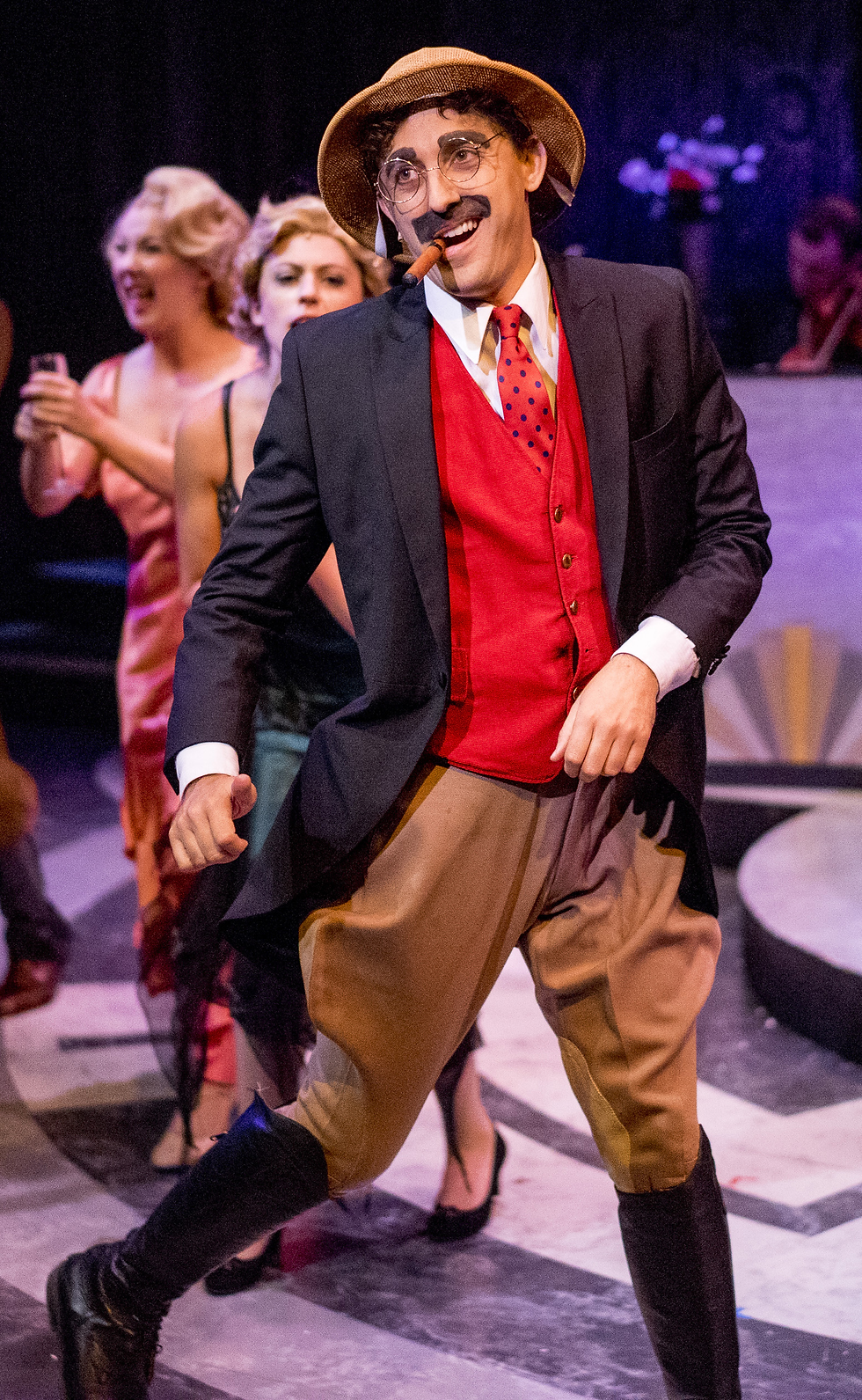
NEXT UP: If you've always wanted to visit San Diego in the summertime, and if you love old-fashioned well delivered musicals and comedy, you can laugh yourself into a happy stupor with the offerings in southern California right now. From "Guys and Dolls" to "Animal Crackers," and "The Buddy Holly Story," you can see a play a day. Remember to explore, learn and live and catch us weekly when we post another lively look at the arts, nature and travel with a twist. Check out our home page for more destinations,


Comments